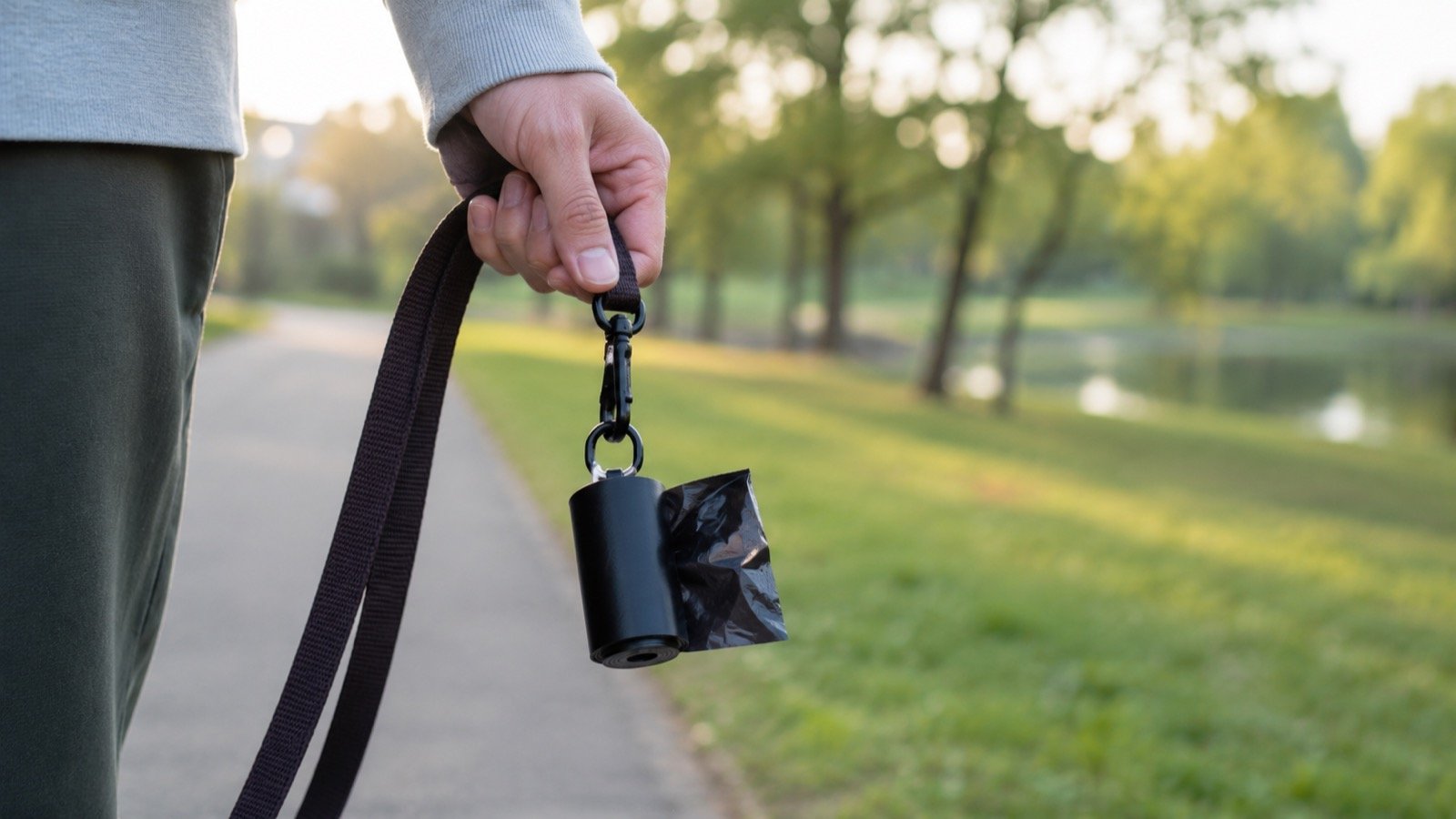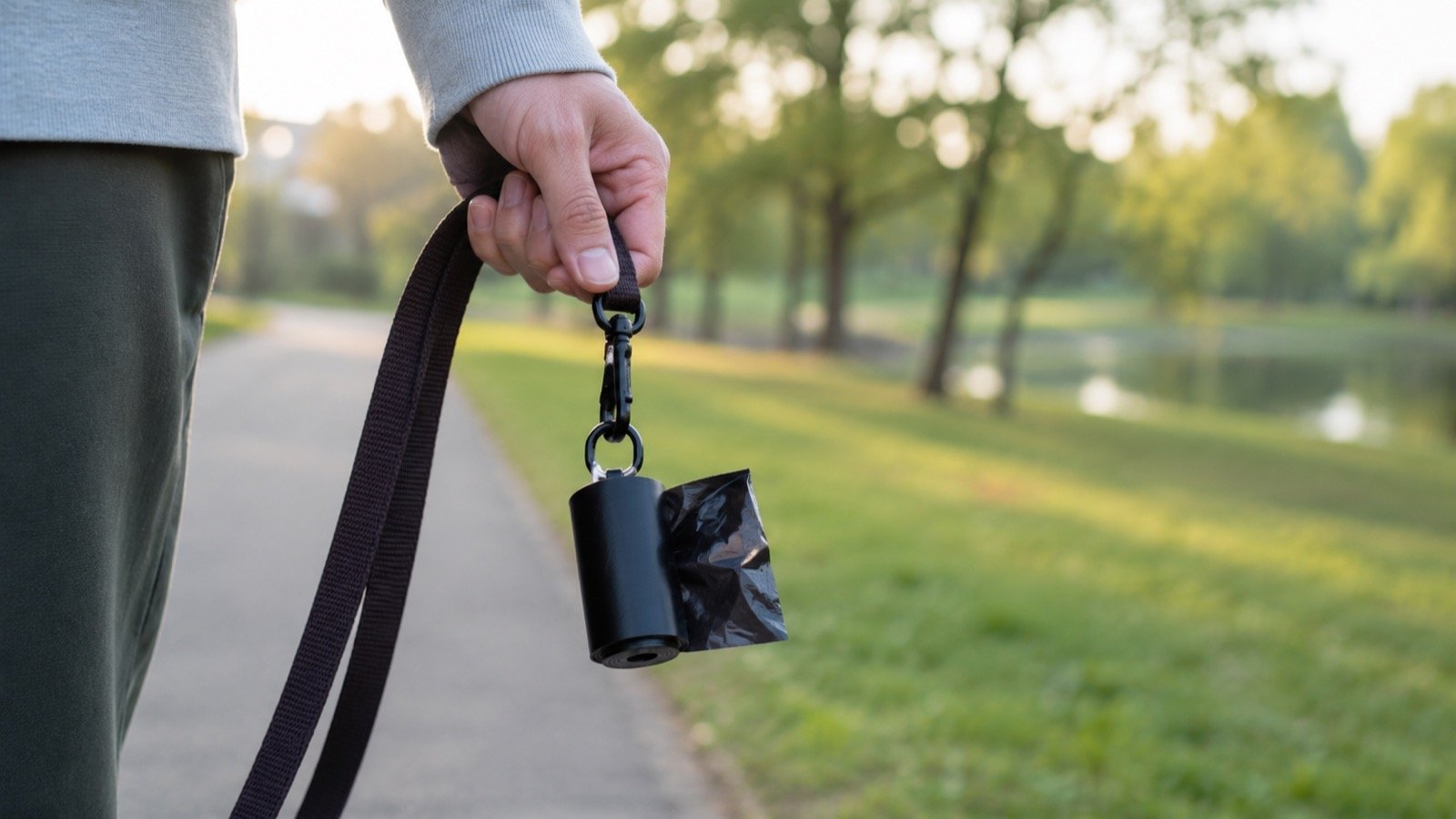

No-Bend Dog Waste Cleanup: Easier on Joints in 2026
For anyone with arthritis, a stiff back, or limited mobility, the daily task of cleaning up after a dog can hurt more than the pet is worth the trouble. No-bend dog waste cleanup changes that, letting you collect and seal waste while standing fully upright. In 2026, the right long-handled tools make pet ownership comfortable again for seniors and anyone who simply refuses to crouch in the grass.
This guide focuses on comfort and safety: which tools remove bending, how to set up a pain-free routine, and what features protect aching joints. If stooping has become the worst part of your day with your dog, read on.
Why bending is the real problem
The physical strain of cleanup is not the lifting; it is the repeated flexion of the lower back and knees. Each crouch loads the spine and stresses the joints, and doing it two or three times a day adds up fast for anyone over 60 or managing chronic pain.
Removing that motion is the whole goal. A long-handled tool lets you keep a neutral spine and locked-out knees, so the work happens at arm’s length instead of ground level. That single change can mean the difference between enjoying a dog and dreading the yard.
The upright advantage
A Dog poop Scooper with Bag Attached is ideal here because it combines the long handle with a sealed bag system, so there is no second step of bending to tie anything off. You scoop, lift, and the bag closes while you remain standing tall throughout.
Which features protect your joints?
Not every long tool is senior-friendly. These features make the real difference for comfortable, safe cleanup.
- Handle height to your hip or waist: so you never lean forward to reach the ground.
- Lightweight frame: aluminum reduces wrist and shoulder strain over repeated use.
- Cushioned, non-slip grip: gentle on arthritic hands and secure in the rain.
- One-handed operation: keeps your other hand free for a cane or railing.
- Integrated bag: eliminates the separate, fiddly tying step.
Comparing cleanup methods by joint strain
| Method | Bending required | Hand strength needed | Senior-friendly? |
|---|---|---|---|
| Bag over hand | Full crouch | Moderate | No |
| Short plastic scoop | Partial bend | Moderate | Limited |
| Long rake & tray | Minimal | High (two hands) | Fair |
| Long scoop with attached bag | None | Low (one hand) | Excellent |
The bottom row is the gold standard for anyone managing pain: no bending, low grip strength, and single-handed use that leaves the other hand free for balance.
Building a pain-free cleanup routine
A good tool works best inside a thoughtful routine. This sequence keeps strain low and safety high.
- Keep the tool and bags by the door so you never carry extra items outside.
- Walk the dog on firm, even paths to reduce trip hazards.
- Scoop immediately while standing upright, using the long handle for reach.
- Deposit sealed bags into a nearby bin lined for easy emptying.
- Rinse the tool at a comfortable waist-height tap rather than the ground.
Line that bin with heavy duty garbage bags so a caregiver or family member can lift the whole liner out cleanly on collection day, without wrestling a leaking load.
Is leaving waste ever a safe shortcut?
It is tempting to skip a pickup on a hard day, but uncollected waste is a health hazard, not just an eyesore. The CDC healthy pets guidance warns that dog feces can carry parasites dangerous to people, including grandchildren who play in the yard. A no-bend tool removes the excuse by making the task genuinely painless.
When buying mobility-friendly equipment, choose established sellers with clear specifications and support, the same way you would only trust dependable specialists for repairs that affect your safety. Reliability matters most when a tool is part of your daily independence.
Helping a loved one stay independent
For families, gifting a long-handled, attached-bag scooper can let an aging parent keep a beloved dog longer. It is a small, inexpensive change that preserves both companionship and dignity by removing a painful daily barrier.
Setting up a fall-safe cleanup space
For anyone with balance concerns, the environment matters as much as the tool. A few simple adjustments remove the trip and slip hazards that make yard cleanup risky, turning a daily task into a safe, predictable routine.
Keep paths clear of hoses and toys, add a handrail near steps down to the yard, and choose a potty area on level, firm ground rather than a slope. Good lighting matters too, since early-morning and evening cleanups often happen in low light when footing is hardest to judge.
Choosing the right grip for weak hands
Arthritic or weakened hands struggle with thin, hard handles. A padded, slightly oversized grip spreads pressure across the palm and reduces the pinch force needed to hold the tool. A trigger-style release that works with a gentle squeeze, rather than a tight clamp, keeps the motion within comfortable limits.
Test any tool for the lightest action you can find. The less hand strength a scooper demands, the longer you can keep using it independently as mobility changes over the years.
When to involve a caregiver or service
Even the best tool has limits. If balance, vision, or strength make daily cleanup unsafe, there is no shame in sharing the task. A family member, a neighbor, or a local scooping service can handle the yard, while you keep the parts of dog care you enjoy most. The goal is a healthy yard and a happy dog, however the work gets done.
Frequently Asked Questions
What is the best dog waste tool for arthritis?
A lightweight, long-handled scoop with an attached bag and cushioned grip is best. It removes bending, needs little hand strength, and works one-handed so a cane stays in the other hand.
How long should the handle be for no bending?
Choose a handle that reaches roughly your hip or waist when standing. That length lets you work at ground level without leaning forward and loading your lower back.
Can someone in a wheelchair use these tools?
Yes, a long, lightweight scoop with an attached bag can be operated from a seated position on firm surfaces. Test the reach and weight to ensure comfortable one-handed control.
Do no-bend tools work in winter?
They do, especially metal-framed models that stay rigid in the cold. Pair them with thicker bags, which resist cracking in freezing temperatures better than thin bargain rolls.
The bottom line
No-bend dog waste cleanup turns a painful chore into a comfortable, dignified part of the day. Prioritize a waist-high handle, a light frame, a cushioned grip, and an integrated bag, and the strain simply disappears. Choose the right tool today and keep enjoying your dog without the ache that used to come with it.